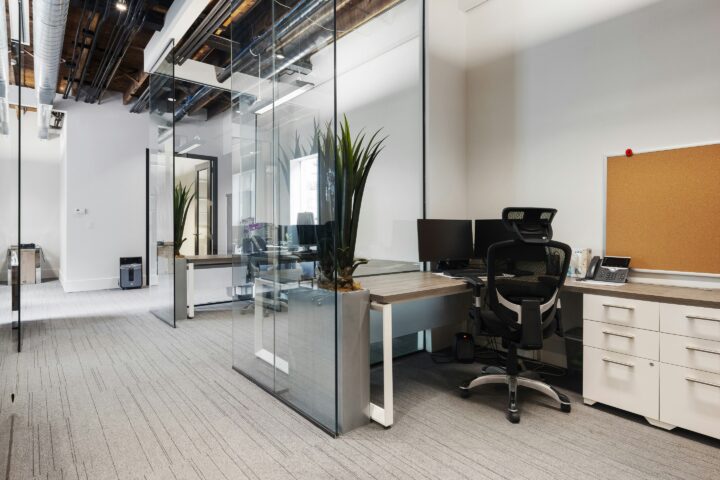
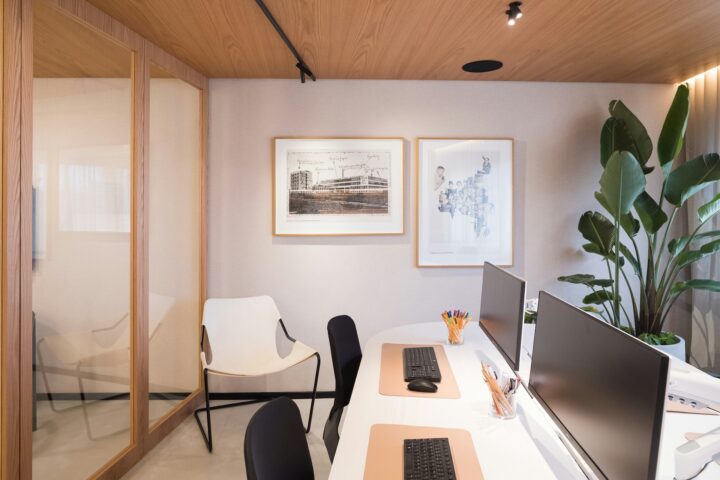
An empty square metre is the most expensive square metre. It generates no income, yet its rent, electricity and cleaning costs run in parallel with all the others.
Where do the silent square metres come from?
Often these are remnants of how the company was a few years ago. The office was rented with growth expectations; headcount did not increase as planned, or remote working permanently altered the number of days staff are present. No active decision was made to keep the space vacant. It just remained unused.
Hybrid work has created a particularly challenging situation. The office was designed for full occupancy five days a week. Currently, people are present on Tuesdays, Wednesdays, and Thursdays. Mondays and Fridays are quiet. The square metres remain empty two days out of five, but the lease agreement does not recognise weekdays.
Conversely, the problem elsewhere is different. The company has grown, staff have returned to the office, but the premises remain the same as five years ago. There is competition for meeting rooms, collaboration spaces are always booked, and people have to make phone calls in corridors. The issue is not too few square metres but the wrong kind of space.
What does it actually cost?
In the Helsinki metropolitan area, the monthly rent per square metre for office space typically ranges between €15 and €35, depending on location and quality. For a company occupying 500 square metres with one third underutilised, this easily translates to €2,500 per month wasted. Annually, that amounts to €30,000, which is a significant sum.
Few executive teams would approve a budget that includes an item of €30,000 labelled 'unused square metres'. However, in commercial property budgets, this often passes unnoticed year after year.
How is the situation assessed?
The easiest starting point is a few weeks’ monitoring: who is present, on which days, and which spaces are used. Many companies only do this the first time when a lease agreement needs renewal, which is a late stage to react.
As a rough rule of thumb: if your office regularly has rooms or areas that are unoccupied or if most workstations are empty on weekdays, it is advisable to reassess your space needs before the next lease term.
The rental market is currently favourable. There is abundant supply, and the tenant's negotiating position is stronger than it has been for a long time. This means that making a change now is cheaper than it was three years ago or possibly will be three years from now.
Spaces that also tell a story
An office is one of the few things that a customer, partner and new employee can see firsthand about a company’s everyday operations. A half-empty office, where some desks stand unused, tells a story. Not necessarily one the company would wish to tell.
A space designed for its current use attracts people. This does not mean the most expensive or luxurious office, but one where it is easy to work, meet colleagues and hold meetings without having to book a room three days in advance.
Unutilised square metres are not just wasted money. They signify that conditions have changed, but the premises have not.