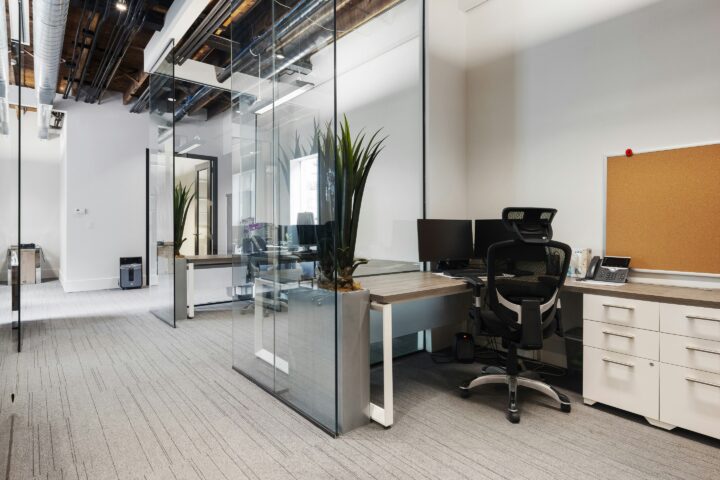
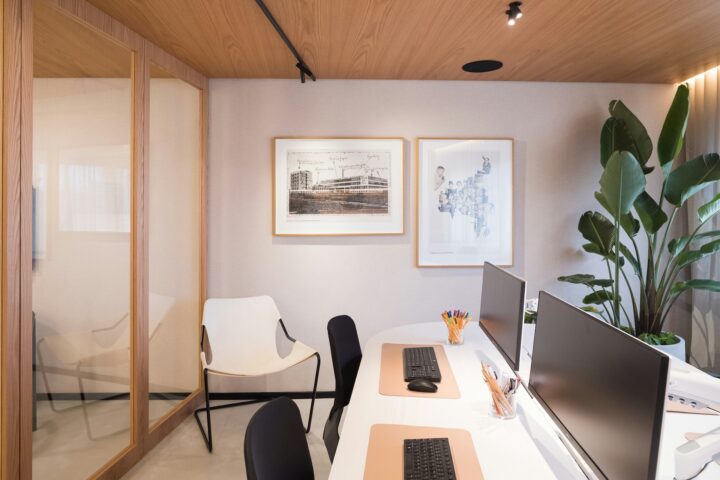
Conversely, problems may arise from having too large a space tied into an unnecessarily long lease. Empty square metres drain cash flow without generating any return.
In both cases the reason is the same: the premises have not been considered part of the growth strategy but rather as a logistical issue to be solved afterwards.
Growth is not steady
A company may triple its staff within a year or remain static due to unforeseen circumstances. Therefore, flexibility is often more important than price in premises during growth phases. Long, inflexible leases that once seemed ideal at the height of expansion can quickly become burdensome.
Scalability does not just mean large space. It means the ability to expand, shrink, or adapt. Coworking spaces, shared premises, and modular solutions suit early growth phases precisely because they do not commit for long periods.
Needs change along with the company’s life cycle
Startup environments emphasise cost-efficiency and community. During growth phases, the space supports team formation and management, and open-plan alone is no longer sufficient. At the established phase, a more permanent solution or longer lease agreement can be considered once the strategic direction and staff numbers have been clarified.
A common mistake is to advance to the next stage too early. Acquiring your own premises or entering into a long lease before the business model is established ties up capital and limits flexibility at a time when these are most needed.
The Office Competes with Home
Hybrid work has changed the role of the office. It is no longer a place you come to just because you have to. It’s a place worth coming to. And that sets completely different requirements for the premises than before.
This is particularly important for growth companies during recruitment. Young professionals consider the physical work environment as part of their choice of employer. A cramped, dull or impractical office says something about the company, as does an office into which investment has been made.
Three Most Common Mistakes
The first issue is underestimating space requirements. Growth can be faster than anticipated, the lease lacks extension options, and suddenly the staff are cramped into spaces that are insufficient.
The other issue is premature commitment to a large space. The agreement was made during an optimistic phase, growth slowed down, and now rent is paid for square metres that are not needed.
The third factor is choosing the area purely based on costs. The cheapest option is not always the best if it complicates recruitment, decreases accessibility, or does not support the image the company wishes to project.